
What Is Fabric GSM Weight? A Buying Guide for Garment Factories
Published Sep 15, 2020

Learn what fabric GSM weight means and how it affects fabric thickness, hand feel, weight, and end-use, helping garment factories choose the right bulk fabric.
What Is Fabric GSM Weight? A Buying Guide for Garment Factories
When garment factories source fabric in bulk, they often encounter a parameter: GSM. GSM affects the fabric's weight, thickness, hand feel, price, and end use. Choosing the wrong GSM can result in garments that are too thin, too thick, too stiff, or unsuitable for the target market.
In fabric procurement, GSM is not just a technical parameter—it's a key standard for buyers to determine if the fabric is suitable for mass production.
What Does GSM Mean?
GSM stands for grams per square meter, indicating the weight of one square meter of fabric.
For example, a fabric with 180 GSM weighs approximately 180 grams per square meter.
Generally:
- Lower GSM means lighter, thinner fabric.
- Higher GSM means heavier, thicker fabric.
- Fabrics of the same material but different GSM can have significantly different hand feel and uses.
- GSM impacts cost, shipping weight, and garment comfort.
When buying fabric, garment factories typically evaluate GSM alongside material, composition, width, stretch, color, and end use.
Why Is GSM Important for Procurement?
GSM helps buyers determine whether the fabric suits the final product.
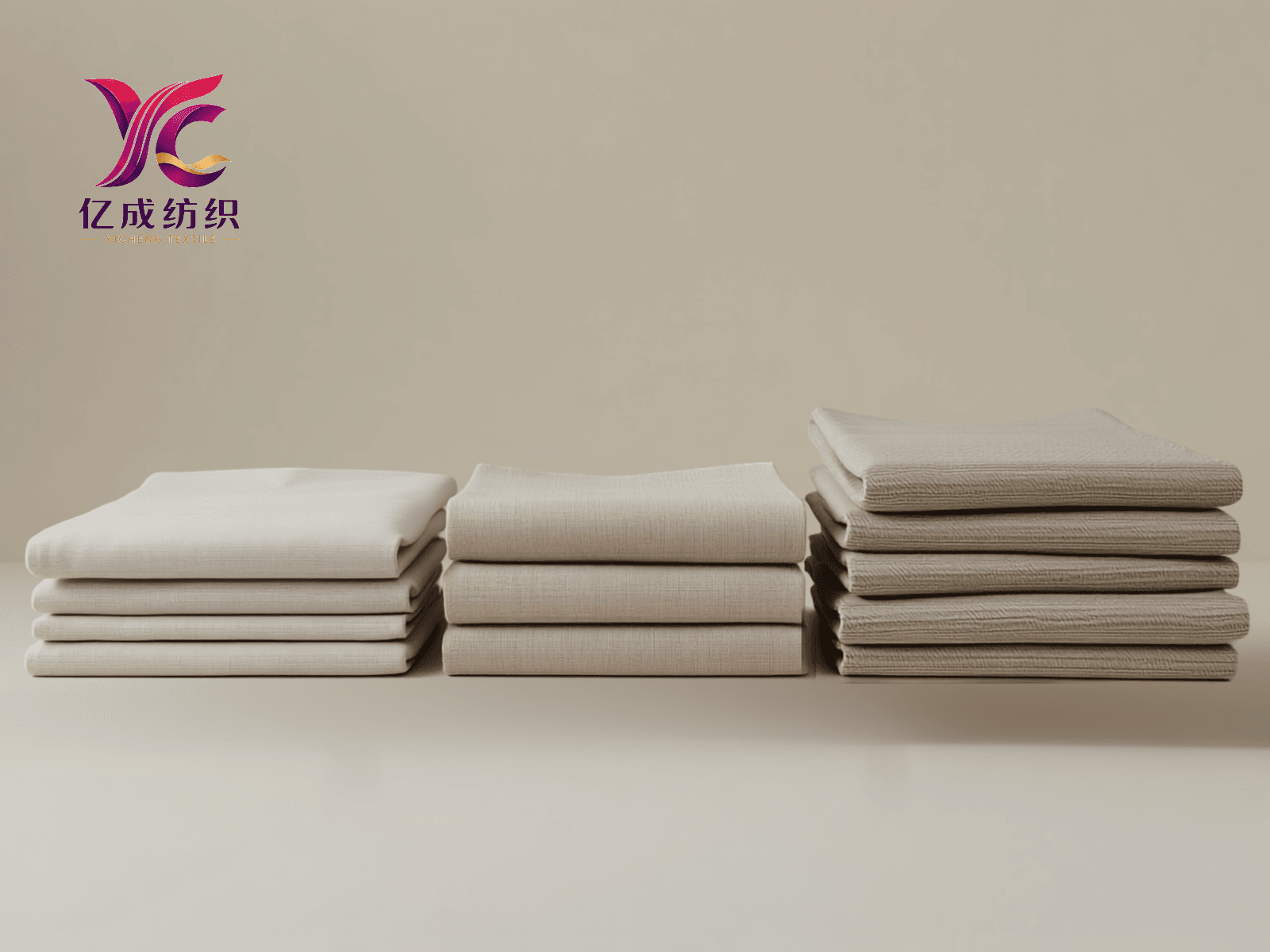
T-shirts, uniforms, workwear, and bag fabrics should not use the same GSM. Even if all are cotton or polyester, different uses require different GSM.
For example:
- Lightweight T-shirts may use 140–160 GSM knitted fabric.
- Better quality T-shirts may use 180–220 GSM knitted fabric.
- Workwear may use 220–280 GSM twill fabric.
- Bags or heavy products may require higher GSM fabric.
Choosing the right GSM improves garment quality and reduces customer complaints.
!
Common Fabric GSM Ranges for Apparel
Different fabrics and applications have different typical GSM ranges.
120–160 GSM
This range is generally lightweight and breathable, often used for summer T-shirts, lightweight linings, shirts, and casual wear.
If a buyer wants light, soft, and breathable fabric, this range is a good option.
160–220 GSM
This is a common GSM range for T-shirts, polo shirts, casual wear, and everyday clothing. It offers better coverage and hand feel than lightweight fabrics.
Many garment factories choose this range to balance quality and price.
220–280 GSM
This range is more suitable for uniforms, workwear, sweatshirts, heavyweight T-shirts, and garments that require more structure.
Fabrics in this range are typically stronger and more durable.
Above 280 GSM
High-GSM fabrics are often used for heavy sweatshirts, jackets, bags, home textiles, or heavy-duty workwear.
Such fabrics have higher cost and shipping weight; confirm the end use before purchasing.
GSM Is Not the Only Quality Standard
Some buyers think higher GSM means better fabric quality. This is not entirely correct.
Fabric quality also depends on:
- Fiber quality
- Yarn count
- Knit or weave structure
- Dyeing quality
- Finishing processes
- Shrinkage control
- Colorfastness
- Hand feel
- Fabric width
- Defect rate
For example, a 180 GSM cotton knitted fabric with good yarn and stable dyeing may be more suitable for T-shirts than a 220 GSM fabric with poor finishing.
So GSM is important, but it should be evaluated alongside other fabric parameters.
How to Choose the Right GSM?
!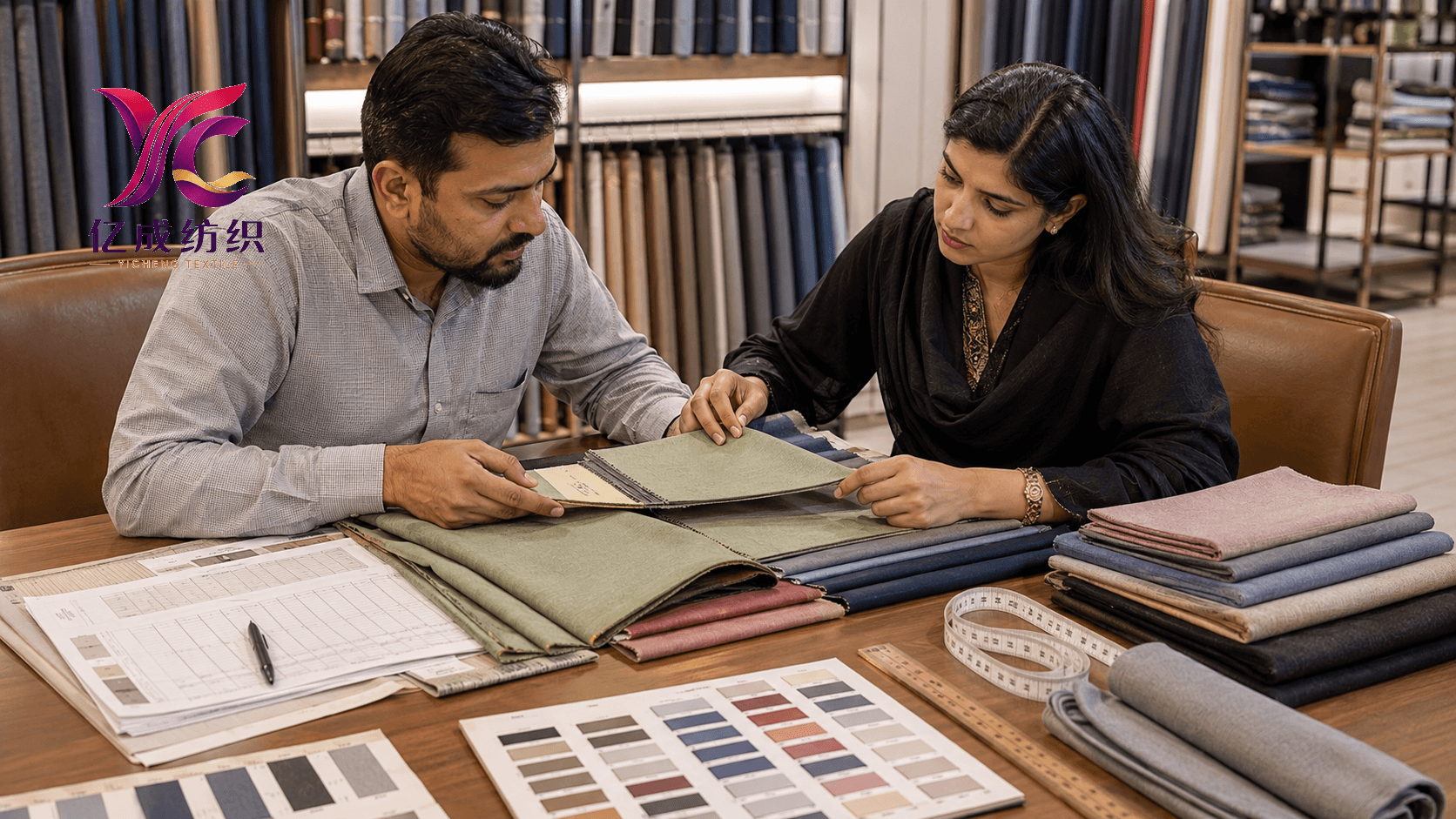
Before confirming GSM, buyers need to consider the final product and target market.
Ask these questions first:
- What garment is being made?
- Is it for summer or winter?
- Does it need stretch?
- Should the hand feel be soft, crisp, or heavy?
- What is the target price?
- What GSM has been used before?
- Are there reference swatches?
If you have a swatch, ask the supplier to test the GSM and recommend a similar bulk fabric.
Can GSM Be Customized?
Yes. Many fabrics can be produced in different GSM.
For example, cotton knitted fabric is available in 160 GSM, 180 GSM, 200 GSM, 220 GSM, etc. Polyester sportswear fabric can also vary in GSM depending on weave and finishing.
However, whether GSM can be customized depends on:
- Fabric type
- Material
- Minimum order quantity
- Dyeing requirements
- Production schedule
- Market availability
For bulk fabric buyers, it's best to confirm GSM, width, color, and quantity in the inquiry.
What Information Should Be Provided in an Inquiry?
To get faster quotes from suppliers, buyers should provide clear parameters.
Suggested information:
- Fabric type
- Material or composition
- GSM weight
- Fabric width
- Color
- Quantity
- End use
- Target price
- Whether samples are needed
- Export destination
If you are unsure about GSM, tell the supplier the end use and provide a reference swatch. The supplier can recommend suitable fabric.
Summary
GSM is a very important parameter in fabric procurement. It helps garment factories determine fabric weight, thickness, cost, and application suitability.
For wholesale buyers, don't simply pursue high GSM. Choose the right GSM based on the final product, target market, and quality requirements.
If you need cotton, polyester, denim, knitted, or woven fabric and want to customize GSM, width, and color, feel free to send an inquiry. We can recommend suitable fabric solutions for garment factories in Vietnam, Thailand, and Southeast Asia.
FAQ
What does fabric GSM mean?
GSM stands for grams per square meter, indicating fabric weight.
Is higher GSM always better?
No. Higher GSM means heavier fabric, but not necessarily better quality. Quality also depends on yarn, dyeing, finishing, and weave structure.
What GSM is typical for T-shirts?
Common T-shirt fabric GSM ranges from 160 to 220, depending on style, season, and target quality.
Can fabric GSM be customized?
Yes. Many fabrics can be produced in different GSM, but it depends on fabric type, MOQ, and production conditions.
What should I provide in an inquiry?
It is recommended to provide fabric type, material, GSM, width, color, quantity, end use, and destination country.


